I switched my kitchen off the "forever chemical" pans — here's the $59 ceramic one I kept
After reading one too many headlines about PFAS in traditional nonstick, I replaced my scratched-up pans with a ceramic one. I cooked on the CookAim daily for a month to see if "non-toxic" also meant "actually works."

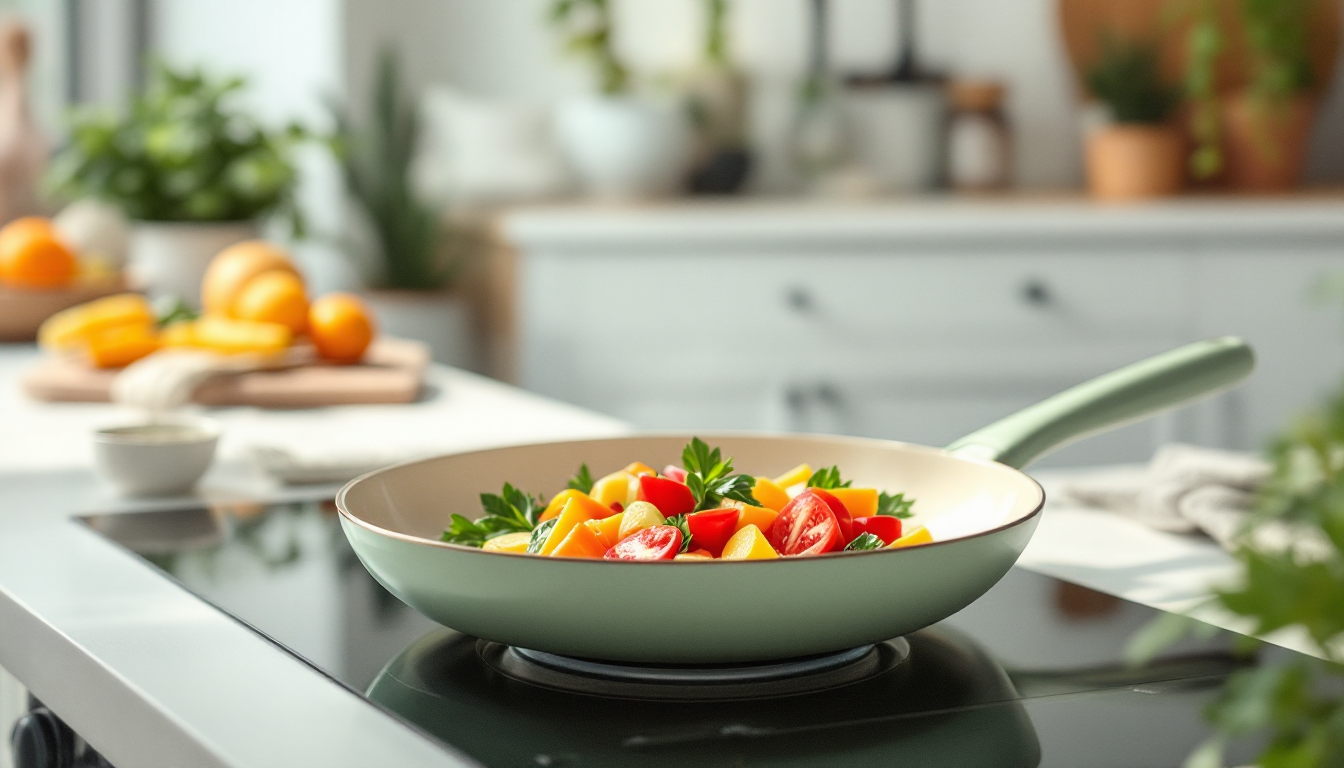
- Ceramic coating made without PFOA, PFAS, lead or cadmium — no "forever chemicals"
- Genuinely nonstick — eggs and veggies slide off with barely any oil
- Even heat, easy to wipe clean · calmer at high heat than old synthetic coatings
- Backed by a 30-day money-back guarantee · free US shipping
Why I finally switched
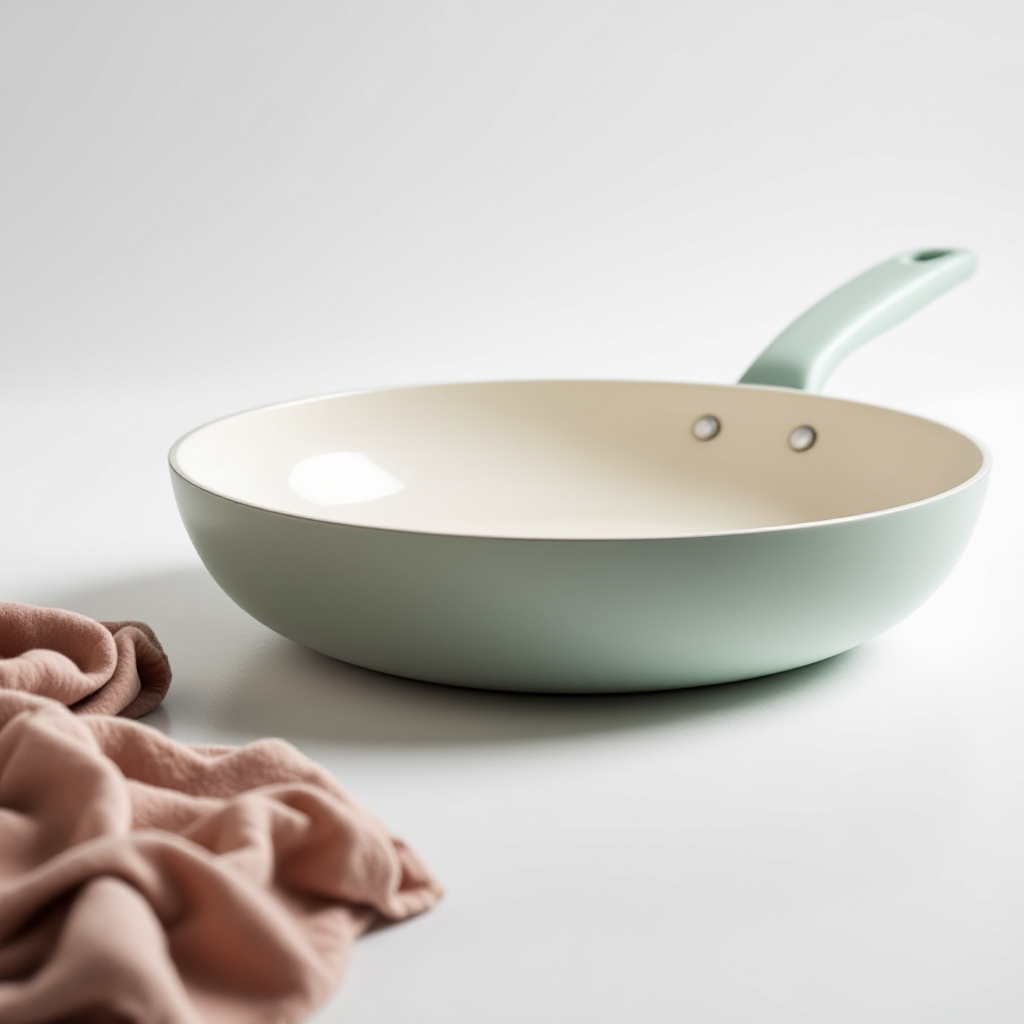
I'm not an alarmist about my kitchen, but the steady drip of news about PFAS — the "forever chemicals" used in a lot of traditional nonstick coatings — got under my skin. My old pans were also just done: scratched, dull, and sticking to everything. So instead of buying another synthetic-coated pan, I decided to try a ceramic one, where the slick surface comes from a mineral-based coating instead. The CookAim kept coming up, so I put it into daily rotation and stopped guessing.
The egg test (the one that matters)
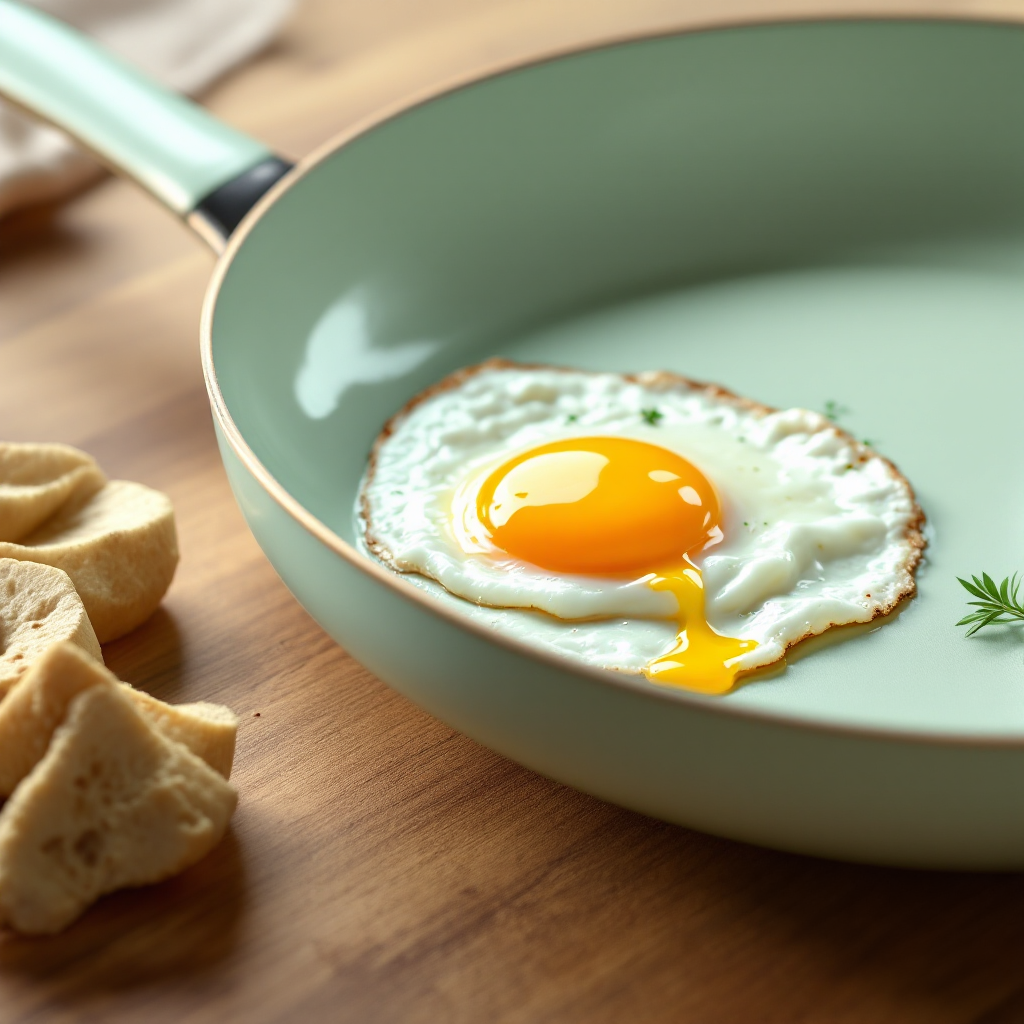
The fear with "non-toxic" pans is that they trade your health for performance — that they won't actually be nonstick. First morning: two eggs, a small bit of butter, medium heat. They slid around the pan and folded out without a single stuck edge. That's the test cheaper ceramic pans fail, and this one passed on day one, and has kept passing every morning since.
A month of real cooking
Anything is nonstick on day one. What surprised me is that a month in, it still behaves like it did out of the box. I've seared chicken, crisped tofu, made stir-fries and a lot of vegetable scrambles, and the even base browns across the whole pan instead of one scorched ring. Because almost nothing sticks, I'm cooking with a fraction of the oil I used to — which was a nice bonus I wasn't expecting.

How ceramic is different
Most nonstick pans get their slip from a synthetic (PTFE) coating, which is where the PFAS conversation comes from and which can give off fumes if it's badly overheated. Ceramic gets its slip from a mineral-based surface instead — made without those chemicals, and more stable at higher temperatures. To keep any ceramic pan slick longest, cook on low-to-medium heat and use wood or silicone utensils.
No forever chemicals
Coating made without PFOA, PFAS, lead or cadmium.
Everything slides off
Eggs, fish, veggies release clean with little to no oil.
Calm at high heat
Ceramic stays stable where old synthetic coatings can give off fumes.
Wipes clean
Most days a quick wipe; less scrubbing, less oil.
What it costs
Cook on it risk-free. If it's not the cleanest, easiest pan in your kitchen, send it back within 30 days for a full refund — free return shipping.
Is it worth it?
For $59, I got a pan that's genuinely nonstick and made without the chemicals I was trying to get away from. It's a better daily experience than pans I've paid more for, and the 30-day guarantee means trying it costs nothing but the trip to the mailbox. My old nonstick pans are in the recycling and I'm not looking back.
Quick FAQ
What makes it non-toxic?
The cooking surface is a mineral-based ceramic coating made without PFOA, PFAS, lead or cadmium — so there are no "forever chemicals" in the part of the pan that touches your food. (It's cookware, not a health device, and makes no medical claims.)
Is it actually nonstick?
In my month of testing, yes — eggs and fish release with little to no oil. Cook on low-to-medium heat and use non-metal utensils to keep it that way.
Can it go in the oven?
Check the product page for the current model's oven rating; ceramic generally handles higher heat well, but always follow the included care guide.
Where should I buy it?
Only from the official store, to make sure you get the genuine pan and the 30-day guarantee.